What is Lymphedema?
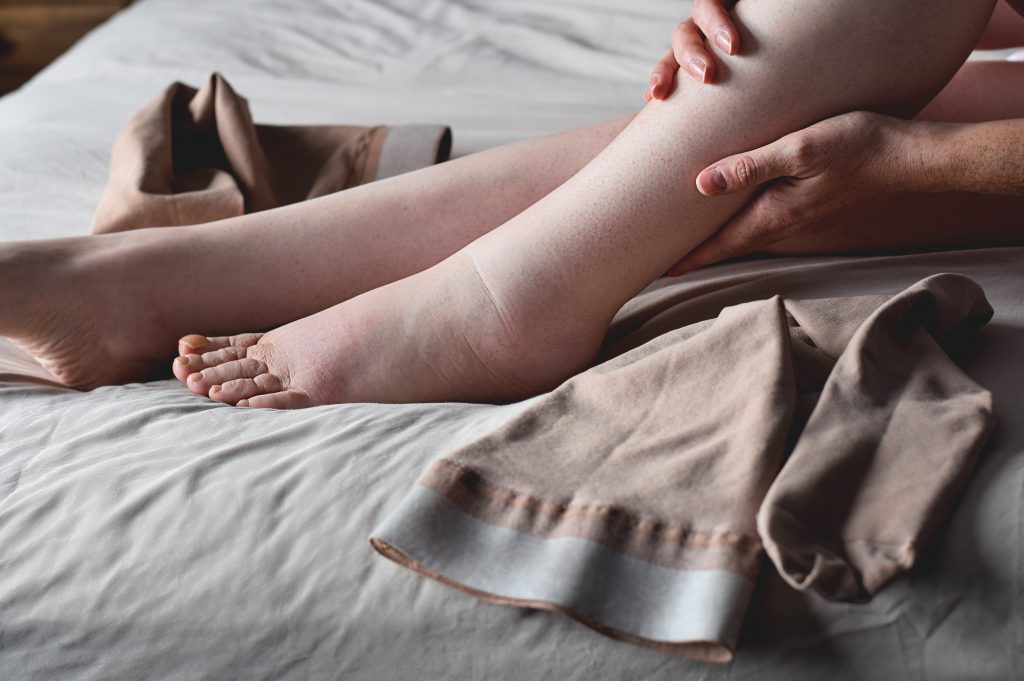
Lymphedema is a swelling of a body part, most often an extremity, resulting from an accumulation of fluids, in such proportions as to be palpable and visible. Lymphedema occurs when the lymph vascular system is not able to fill its functions of resorption and transport of the protein and lymph load. Lymphedema occurs whenever lymphatic vessels are absent, underdeveloped, obstructed or damaged.
What is the Treatment for Lymphedema?
Lymphedema is a serious condition, indicating that the lymph system is unable to handle the lymph load. Treatment should begin as soon as lymphedema is diagnosed. The goal of treatment is to reduce the swelling and facilitate the flow of lymph fluid to the venous circulation of the affected area. The most effective approach used by Therapists in many European Countries is a method called Combined Decongestive Therapy (CDT), a four step process, carried out over a four week period. The individual elements are Manual Lymph Drainage, compression therapy, remedial exercises, breathing techniques and excellent skin hygiene. The patient visits the Clinic once or twice a day, 5 times per week, or in accordance with the Physician’s recommendations.
Dr. Vodder’s Combined Decongestive Therapy (CDT)
Lymphatic Therapy – patients receive Dr. Vodder’s Manual Lymph Drainage once or twice a day to remove excess fluid and protein. Manual Lymph Drainage is performed to open lymphatics in the unaffected regions so these can help to drain the affected area. The stimulated lymphangions increase their activity, which results in a decompression and emptying of obstructed lymphatic channels. Compression Therapy – bandaging of the affected limb follows each session. This is a precise and accurate procedure using specific bandages and interfacing materials. Remedial Exercises and Breathing – further promote venous and lymphatic flow by activating the muscle and joint pumps. Skin care and Hygiene – excellent skin cleansing with antibacterial washes and neutral balanced pH lotions will help to eliminate bacterial and fungal growth and so minimize the possibility of repeated attacks of Cellulitis and Lymphangitis.
What is Lipedema?
Lipedema is a condition where changes in cellular function of adipose cells lead to fatty tissue edema, thickened collagen fibers, venous stasis and lymphostasis. Lipedema occurs more frequently in women and appears at certain locations such as the thigh, buttocks, lower abdomen and sometimes the arms. Hands and feet are unaffected and remain slim. Lipedema occurs in phases and is painful in the advanced stages. it frequently exists in combination with venous edema and/or lymphedema.
Lymphedema and Lipedema Self-care
After the clinic treatment has been completed, the patient is responsible for continuing exercises and breathing techniques. A correctly fitted compression sleeve or stocking must be worn on a daily basis. Self-bandaging is done every night before bed. It is advisable to have a check up once a month after the treatment has ended, as well as 6 months later to assess progress. Garments should be replaced every 3-6 months since they lose their elasticity over time.